
Take Action
Take Action
We're urging Coke to prioritize reuse and refill, instead of polluting, single-use plastic.
Coca-Cola has a long history of using reusables - everyone knows their iconic, refillable glass bottles. But today, it is the biggest plastic polluter in the world.
Join us in calling on Coca-Cola to Bring Back Refill.
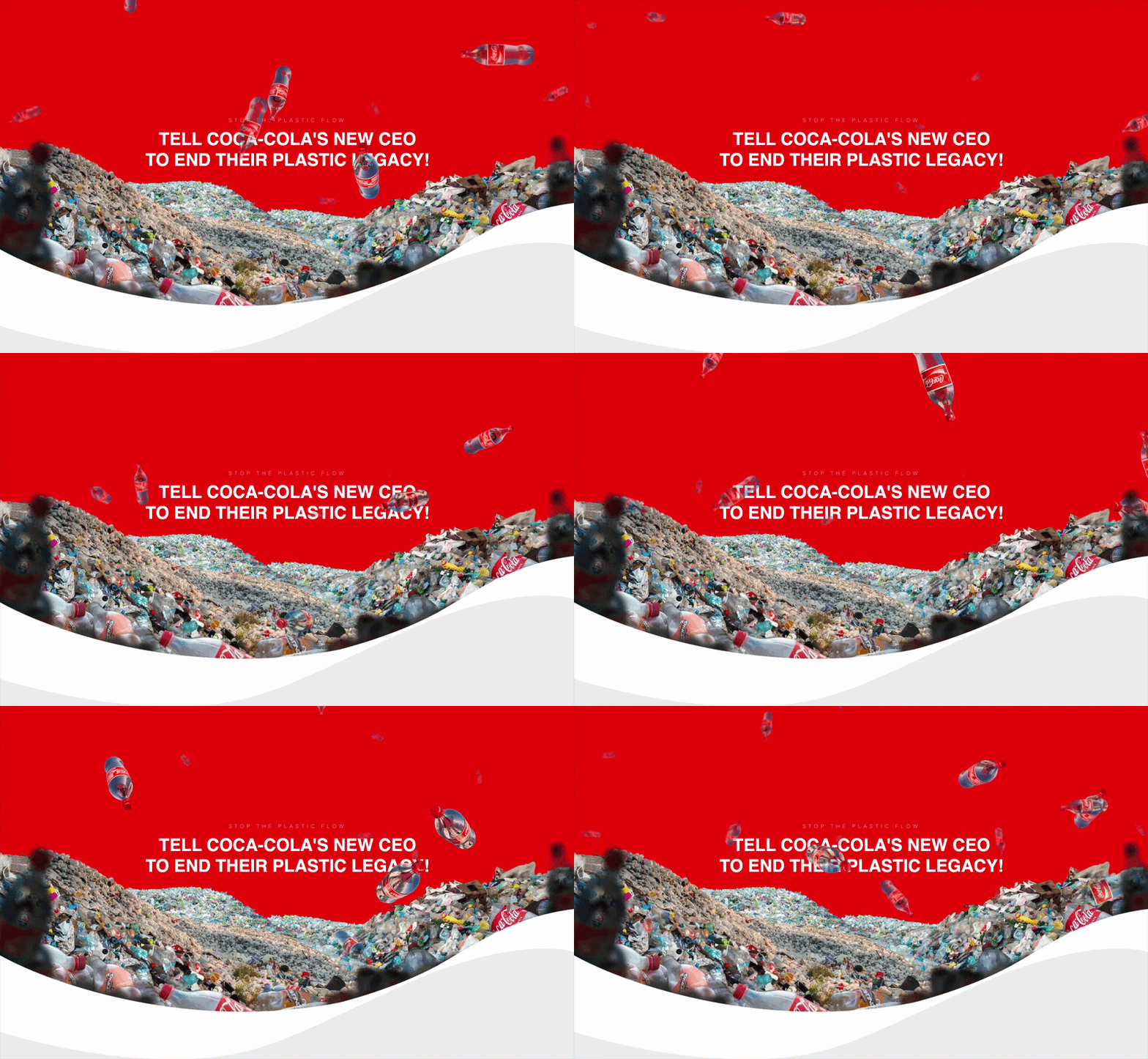
The Coca-Cola Company is the largest consumer-facing global seller of plastics, producing 134 billion – almost one quarter (23%) – of the world’s PET plastic bottles. Its “Every Bottle Back” pledge stands in stark contrast to the company’s #1 ranking for five years running in #BreakFreeFromPlastic’s brand audits of plastic pollution.
But, Coca-Cola itself was an early leader in refillables. During the company’s early years, it pioneered a waste-free system for fountain drinks and created a successful deposit return system that ensured an impressive 96% of its glass bottles were reused.
But from the 1950s to 1970s, the company gutted its own refillable infrastructure in the US, opting for single-use bottles and cans that externalized the cost of its new packaging waste onto the public and ratepayers. Our short documentary reveals that Coke knew that their plastic would trash the planet...and did it anyway.
Reusable, refillable beverage systems aren’t a novel idea. These systems are successful in 170 countries worldwide, from Mexico to Germany to the Philippines and more, and represent an overall market share of 23% by volume globally.
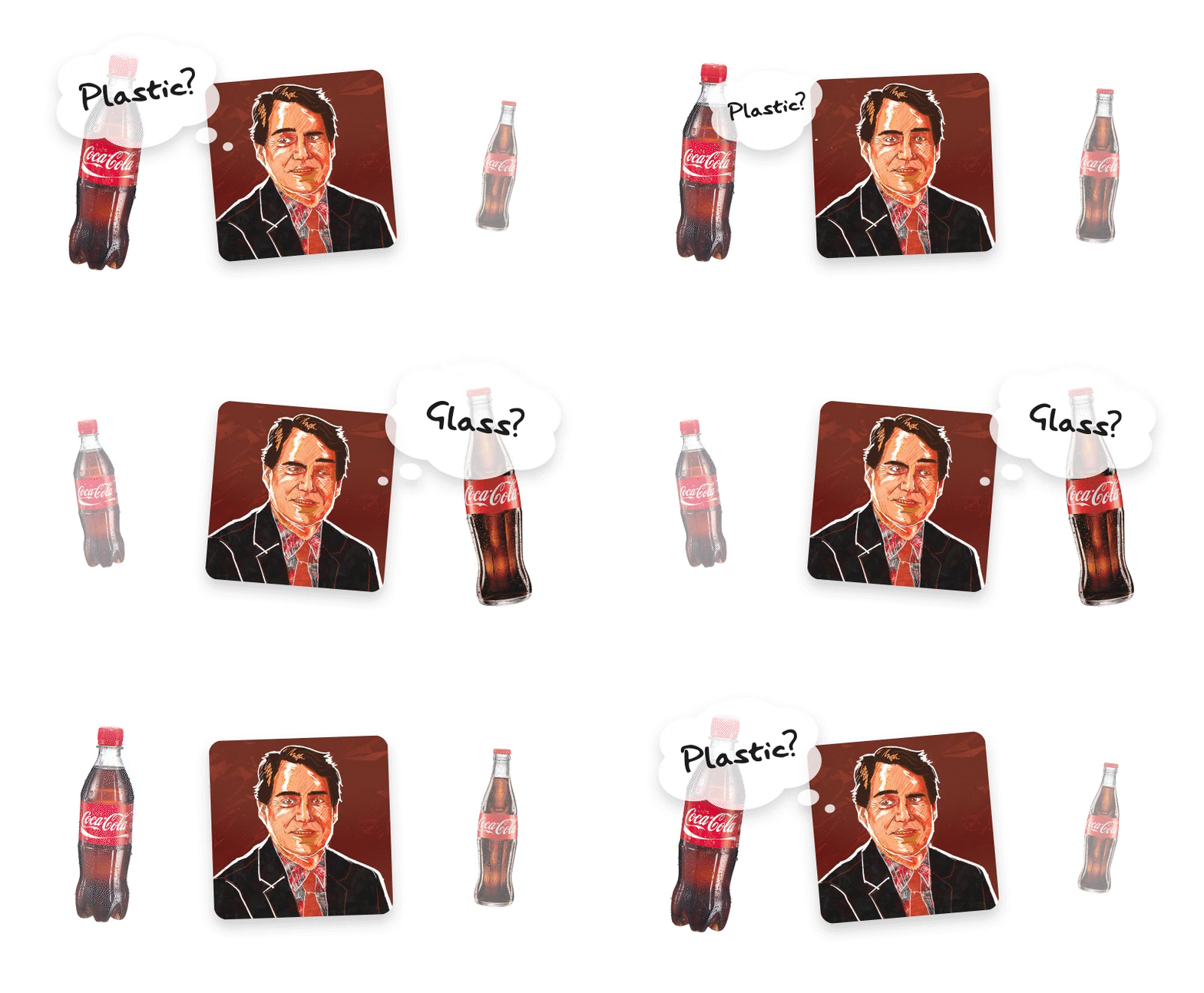
Plus, Coca-Cola now has a new CEO, Henrique Braun. Having been with the company since 1996, he knows a thing or two about the company's so-called sustainability practices. But being the new CEO means he's also inheriting one of the world's biggest plastic legacies. The question is: what will he do with it? It's time for this new leadership to end the company's plastic legacy.
To: Coca-Cola Company and its bottlers
Coca-Cola is the world's single largest contributor of branded plastic pollution. Despite repeated public commitments to sustainability - and mounting public concern over plastic pollution's threat to both the environment and human health - the company's plastic packaging use has grown by more than 20% over the past 5 years.
Coca-Cola already has a solution to reducing its plastic pollution problem - reusable, refillable glass bottles. These systems have operated all over the world for decades, but the company has replaced them with single-use plastic bottles and cans in many countries.
Refillable bottles prevent plastic pollution because they can be returned to bottling facilities, washed, and reused up to 50 times. Every instance of reuse prevents a disposable bottle or can from being thrown away or littered, and possibly ending up in the environment. It has been estimated that even just a 10 percentage point increase in reusable beverage packaging globally by 2030 could eliminate over 1 trillion single-use plastic bottles and cups.
Refillable bottle systems already exist and work at scale. Nearly half of the Coca-Cola products sold in the Philippines are in refillable glass bottles, for example. This was Coca-Cola's original packaging, and the company has the knowledge and technology to expand existing reuse infrastructure and bring systems back where they no longer exist. What is needed is the corporate will to invest and prioritize. Despite making promises to tackle the impact of its plastic use, in December 2024 Coca-Cola abandoned its own global commitment to make 25% of its packaging reusable by 2030. Coca-Cola can, and should do better.
We, the undersigned, call on Coca-Cola and its bottlers to urgently prioritize refillable and reusable packaging systems that do not leave communities or environments burdened with plastic waste. We also ask Coca-Cola to take full responsibility for the plastic pollution it has already caused, and to work with local communities and governments to ensure a just transition.


